
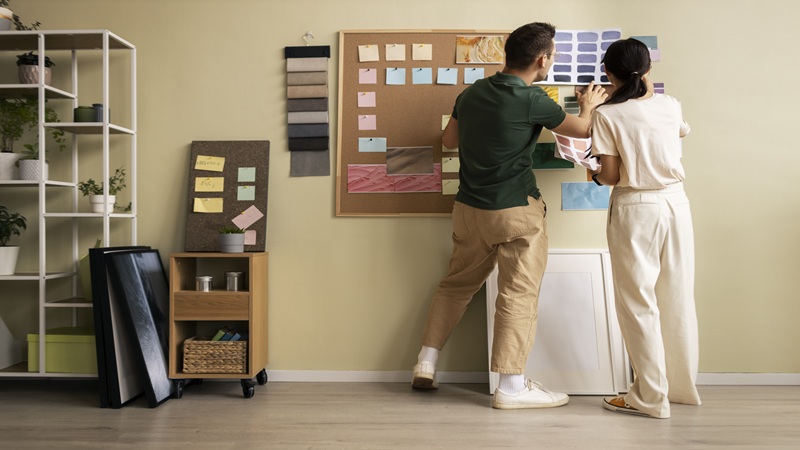
Creating a beautiful and functional home does not always require expensive renovations or major construction projects. Often, the most impressive home transformations come from simple upgrades that focus on color balance, lighting, layout, and thoughtful decoration. When homeowners apply strategic design ideas, they can refresh their interiors while maintaining comfort and practicality.
Modern interior design focuses on intentional changes rather than unnecessary spending. Instead of replacing every piece of furniture, homeowners can introduce small upgrades that significantly improve the look and feel of their space. By adjusting colors, lighting, and decorative elements, even a basic room can become elegant and inviting.
In this comprehensive guide, we will explore effective ways to upgrade your home using smart design principles. These methods focus on maximizing style, functionality, and comfort while keeping costs under control.
Understanding Smart Home Upgrades
A successful home upgrade begins with careful planning. Many people rush into decorating without thinking about how each element fits within the overall design. However, thoughtful upgrades require understanding the purpose of each room and the atmosphere you want to create.
For example, a living room should encourage conversation and relaxation, while a bedroom should promote calmness and comfort. Therefore, design decisions should support the function of each space.
One of the most effective strategies is following decoradhouse upgrade tips by decoratoradvice, which emphasize intentional design, visual balance, and affordable improvements. These techniques focus on high-impact upgrades that enhance the entire space without requiring large budgets.
Core Interior Design Principles
To achieve a professional look, homeowners should understand several key interior design principles. These guidelines help create harmony, balance, and visual interest in any room.
The 60-30-10 Color Rule
Color plays a powerful role in interior design. Without balance, colors can overwhelm a space or make it feel chaotic. The 60-30-10 rule helps maintain harmony throughout the room.
60% Dominant Color
The dominant color typically appears on walls, large furniture pieces, or flooring. Neutral shades such as white, beige, or gray often work best because they create a calm base.
30% Secondary Color
The secondary color supports the dominant color and appears in curtains, rugs, chairs, or bedding.
10% Accent Color
Accent colors bring personality to the room. These colors appear in decorative items such as cushions, artwork, or vases.
This method ensures visual balance while allowing homeowners to experiment with color.
The Importance of Layered Lighting
Lighting significantly influences the mood of a room. Spaces that rely only on ceiling lights often appear flat and uninviting. Therefore, designers recommend using layered lighting.
Layered lighting includes three main types.
Ambient Lighting
Ambient lighting provides overall illumination for the room. Examples include ceiling fixtures, chandeliers, or recessed lights.
Task Lighting
Task lighting supports specific activities such as reading, cooking, or working. Desk lamps, bedside lamps, and under-cabinet lights serve this purpose.
Accent Lighting
Accent lighting highlights decorative features like artwork, shelves, or architectural elements.
Combining these three lighting types creates depth and warmth, making a room feel comfortable and visually appealing.
The Rule of Three in Decoration
Another powerful design technique is the rule of three. Designers often group decorative items in sets of three because odd numbers create visual balance.
For example:
-
Three candles on a coffee table
-
Three framed photos on a shelf
-
Three decorative vases on a console
This simple arrangement technique helps rooms look more organized and stylish.
Strategic Furniture Layout Improvements
Furniture placement dramatically affects how a room feels. Many homeowners place furniture directly against the walls, believing this will make the space look larger. However, designers recommend a different approach.
Floating Furniture
Pulling furniture slightly away from the walls can make the room feel more open and welcoming. This arrangement also creates conversation areas where people naturally interact.
For example, placing chairs around a coffee table encourages social interaction and improves the overall flow of the room.
Balanced Seating Arrangements
Ensure that seating areas feel balanced rather than crowded. Avoid placing too many pieces in one area while leaving other sections empty.
Following decoradhouse upgrade tips by decoratoradvice helps homeowners create layouts that improve both comfort and visual harmony.
Using Vertical Space Effectively
Many homes fail to utilize vertical space properly. However, vertical design elements can dramatically improve how large and elegant a room appears.
Install High Curtain Rods
Mount curtain rods closer to the ceiling instead of directly above windows. This trick makes ceilings appear taller, and rooms feel more spacious.
Choose Tall Storage Solutions
Tall bookcases, shelving units, and cabinets draw the eye upward. This technique adds height and sophistication to the space while increasing storage capacity.
Texture Layering for Visual Depth
A room that relies on a single material often feels flat and uninteresting. Texture layering introduces variety and comfort.
Combine Different Materials
Consider mixing materials such as:
-
Velvet cushions
-
Linen curtains
-
Leather seating
-
Knit blankets
This combination creates a rich and inviting environment.
Seasonal Textile Updates
Switching pillow covers, rugs, or blankets can instantly refresh a room without requiring expensive purchases.
Quick Upgrades That Deliver Professional Results
Professional interior designers often rely on small upgrades that create significant visual improvements.
Replace Cabinet Hardware
Old cabinet handles and drawer pulls can make kitchens and bathrooms appear outdated. Replacing them with modern finishes like brushed brass or matte black can instantly upgrade the room.
Add Mirrors for Light and Space
Mirrors remain one of the most powerful tools in interior design.
Placing a mirror across from a window reflects natural light and brightens the entire room. Additionally, mirrors create the illusion of depth, making small spaces appear larger.
Introduce Indoor Plants
Plants bring freshness and life to indoor spaces. They also improve air quality and add natural color to interiors.
Popular low-maintenance plants include:
-
Snake plants
-
ZZ plants
-
Pothos
-
Peace lilies
These plants require minimal care but dramatically improve the atmosphere of a room.
Room-by-Room Upgrade Strategies
Different rooms require different design approaches. Understanding these strategies helps homeowners create cohesive interiors.
Living Room Enhancements
The living room should feel welcoming and comfortable.
Create a focal point using a large artwork piece, decorative mirror, or statement furniture item. Then arrange seating to encourage conversation rather than focusing everything on the television.
Bedroom Improvements
Bedrooms should promote relaxation.
Choose soft colors such as muted blues, warm grays, or neutral beige tones. Layer bedding with quilts, pillows, and blankets to create a luxurious and cozy environment.
Kitchen and Dining Upgrades
Functional spaces still deserve thoughtful design.
Open shelving allows homeowners to display stylish dishes or decorative items while maintaining organization. Pendant lighting above the dining table also creates a warm and intimate atmosphere.
These small improvements reflect decoradhouse upgrade tips by decoratoradvice because they balance practicality with modern design.
Sustainable and Long-Term Design Choices
Modern interior design increasingly focuses on sustainability. Smart upgrades not only improve aesthetics but also reduce environmental impact.
Choose Durable Materials
Investing in quality furniture ensures that items last longer and reduces waste.
Repurpose Existing Furniture
Instead of buying new pieces, consider repainting, refinishing, or reupholstering older furniture.
Use Energy-Efficient Lighting
LED lighting consumes less electricity and lasts longer than traditional bulbs.
Sustainable design choices benefit both homeowners and the environment.
Common Home Upgrade Mistakes
While upgrading a home can be exciting, certain mistakes can reduce the effectiveness of your design.
Overdecorating
Too many decorative objects can create clutter and overwhelm the room.
Ignoring Lighting
Poor lighting can make even beautiful interiors appear dull.
Following Trends Blindly
Trends change quickly. Instead, focus on timeless designs that remain stylish for years.
Lack of Planning
Always plan upgrades before purchasing new items. A clear vision ensures cohesive results.
Final Thoughts
Upgrading your home does not require a massive budget or complicated renovations. With thoughtful planning and strategic improvements, you can transform your living space into a comfortable and stylish environment.
Focus on balancing colors, layering lighting, optimizing furniture layouts, and incorporating natural elements. Small details such as mirrors, hardware replacements, and textile layering can make a significant difference.
By applying proven design strategies and embracing creativity, homeowners can create beautiful interiors that reflect their personality while maintaining functionality and comfort.