
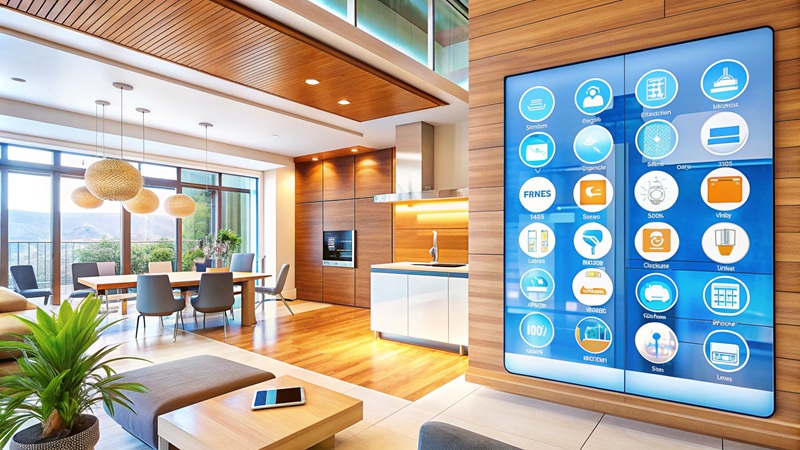
Modern homes no longer rely solely on beautiful furniture and coordinated color palettes. Today, intelligent technology plays a crucial role in shaping comfortable, efficient, and visually appealing living spaces. However, technology should never overwhelm design. Instead, it should blend seamlessly into interiors, enhancing functionality while preserving aesthetics.
Integrating smart solutions into home design creates environments that feel effortless, responsive, and future-ready. When you approach smart home integration strategically, you transform your space into a refined ecosystem that supports daily routines without visual clutter.
This complete guide explains how to merge smart technology with interior design principles effectively. From adaptive lighting and climate automation to aesthetic security and multifunctional furniture, these insights will help you create a modern, intelligent home that looks as good as it performs.
The Philosophy Behind Intelligent Interior Design
Successful smart homes prioritize invisible integration. Instead of filling rooms with bulky gadgets and tangled wires, homeowners should embed technology discreetly into their design scheme.
This philosophy emphasizes three main pillars:
-
Efficiency
-
Comfort
-
Visual harmony
By following decoradtech smart home ideas by decoratoradvice, homeowners can build spaces that feel cohesive rather than chaotic. Technology becomes a supporting background feature rather than a dominant focal point.
Key Smart Home Innovations That Elevate Modern Living
Smart home integration continues to evolve rapidly. However, some innovations consistently deliver both functional and aesthetic value.
Adaptive Smart Lighting for Mood and Function
Lighting influences mood, productivity, and relaxation. Therefore, smart lighting systems offer one of the most impactful upgrades in modern homes.
Customizable Ambience
Smart bulbs allow homeowners to adjust brightness and color temperature instantly. Soft white lighting supports relaxation, while cooler tones enhance focus during work hours.
Voice and App Control
You can control lighting through smartphone apps or voice assistants. This flexibility eliminates the need for multiple switches and creates a seamless user experience.
Energy Efficiency
Smart lighting reduces unnecessary energy usage by automating schedules and dimming when rooms are unoccupied.
Adaptive lighting enhances both practicality and emotional comfort.
Intelligent Climate Control for Year-Round Comfort
Temperature management significantly affects home comfort and energy costs.
Smart Thermostats
Smart thermostats learn daily routines and adjust temperatures automatically. For example, they lower the heating while you are away and restore comfort before you return.
Energy Savings
These systems optimize energy consumption, reducing monthly utility bills without sacrificing comfort.
Remote Monitoring
Homeowners can monitor and adjust temperatures remotely, ensuring efficient climate management at all times.
Climate automation delivers convenience and sustainability simultaneously.
Aesthetic Security Solutions That Blend with Design
Security remains essential, but modern systems no longer require unattractive equipment.
Stylish Smart Locks
Contemporary smart locks offer sleek finishes that complement door hardware.
Video Doorbells
Compact video doorbells integrate smoothly into exterior design while providing real-time monitoring.
Motion Detectors
Minimalist motion sensors maintain security without disrupting interior aesthetics.
When carefully selected, security devices enhance safety without compromising style.
Automated Lifestyle Enhancements for Daily Convenience
Beyond lighting and climate, several innovative solutions simplify everyday living.
Smart Planters for Effortless Greenery
Indoor plants improve air quality and add organic beauty. However, maintenance can be challenging. Smart planters solve this problem.
Self-Watering Systems
Automated watering systems ensure consistent hydration, reducing plant stress.
Air-Purifying Benefits
Many planters support greenery that naturally improves indoor air quality.
This combination of nature and automation supports healthier living environments.
Digital Art Frames for Dynamic Decor
Traditional artwork remains timeless. However, digital art frames introduce versatility.
Change Displays Instantly
Homeowners can rotate artwork or photos digitally, refreshing interiors without replacing physical frames.
Match Mood or Season
Digital displays allow you to align visuals with holidays, seasons, or personal preferences.
This flexibility keeps decor dynamic and engaging.
Voice-Activated Blinds and Curtains
Natural light plays a crucial role in interior design. However, managing it manually can feel inconvenient.
Automated Adjustments
Motorized blinds adjust based on time of day or sunlight intensity.
Energy Regulation
Automated shading reduces heat gain during summer and retains warmth during winter.
Voice-controlled curtains improve both efficiency and comfort.
Multifunctional Smart Furniture
Modern homes demand multifunctionality.
Wireless Charging Integration
Coffee tables and desks with built-in charging ports reduce cable clutter.
Hidden Storage Solutions
Smart furniture combines storage with technology, maximizing efficiency without sacrificing style.
This approach aligns perfectly with decoradtech smart home ideas by decoratoradvice, which prioritize invisible integration.
Strategic Implementation for a Seamless Smart Home
Adopting smart technology requires planning. A phased approach ensures success without overwhelming the space.
Step 1: Identify Immediate Needs
Begin by evaluating daily routines. Determine which tasks feel repetitive or inefficient.
Common starting points include:
-
Lighting automation
-
Climate control
-
Security monitoring
Focusing on priority areas prevents unnecessary spending.
Step 2: Centralize Control Systems
Choose a compatible smart hub or a unified app to manage all devices from a single interface. Centralization prevents compatibility issues and simplifies operation.
Unified systems enhance user experience and reduce technical frustration.
Step 3: Prioritize Aesthetic Compatibility
Select devices that match your interior theme. For example:
-
Matte black finishes complement modern spaces
-
Brushed brass suits classic interiors
-
Minimal white designs support Scandinavian styles
Technology should enhance design rather than disrupt it.
By following decoradtech smart home ideas by decoratoradvice, homeowners ensure that technology feels intentional and refined.
Sustainability and Long-Term Value
Smart homes support sustainability when implemented thoughtfully.
Reduce Energy Waste
Automated systems prevent unnecessary energy use by adjusting lighting, heating, and cooling intelligently.
Improve Operational Efficiency
Remote monitoring allows homeowners to track energy usage and adjust habits accordingly.
Increase Property Value
Buyers increasingly seek smart-ready homes. Integrated systems boost resale appeal and modernize living environments.
Sustainable automation benefits both finances and the environment.
Common Mistakes to Avoid in Smart Home Integration
Avoiding errors ensures a smooth transition into intelligent living.
Overloading with Gadgets
Adding too many devices at once creates confusion. Instead, expand gradually.
Ignoring Compatibility
Ensure all devices integrate with your chosen ecosystem.
Neglecting Design Harmony
Avoid visible wires and bulky equipment that disrupt aesthetics.
Strategic planning prevents unnecessary complications.
The Future of Smart Interior Design
Technology will continue evolving toward deeper personalization and automation. Artificial intelligence will refine predictive behaviors, and design integration will become even more seamless.
Homes will increasingly adapt automatically to mood, schedule, and environmental conditions. Therefore, investing in adaptable systems today prepares homeowners for future upgrades.
Why This Smart Home Approach Works
This intelligent integration strategy succeeds because it balances performance with beauty. Instead of treating technology as an afterthought, it embeds automation into the design process.
Homeowners who apply decoradtech smart home ideas by decoratoradvice create environments that feel calm, efficient, and visually cohesive. They reduce clutter, improve comfort, and enhance everyday living.
This holistic method transforms houses into responsive ecosystems that anticipate needs and simplify routines.
Final Thoughts: Designing a Smarter, More Beautiful Home
A smart home should feel intuitive, not complicated. When you integrate technology thoughtfully, you enhance lifestyle quality without sacrificing design elegance.
Start with lighting and climate automation. Then expand into security, smart furniture, and digital decor. Always prioritize compatibility and visual harmony.
By blending innovation with interior design principles, you create a living space that adapts, protects, and inspires. Intelligent homes represent the future of comfortable living—efficient, stylish, and seamlessly connected.