
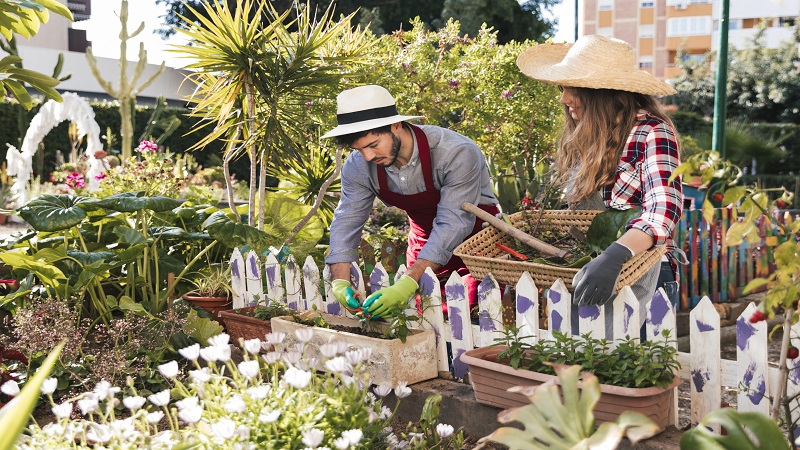
Gardens today serve a greater purpose than decoration alone. They act as personal retreats, social spaces, and extensions of the home. A thoughtfully designed garden supports plant health, reflects personal style, and remains easy to maintain throughout the year. When aesthetics and functionality work together, outdoor spaces become welcoming, resilient, and deeply satisfying.
This in-depth guide explores modern garden design principles that focus on balance, sustainability, and long-term usability. Inspired by expert practices, these strategies help homeowners create gardens that feel natural, organized, and adaptable. Whether you manage a small backyard or a spacious landscape, these ideas provide a reliable roadmap to outdoor success.
Understanding the Core Philosophy of Modern Garden Design
A successful garden starts with intention. Instead of filling space with random plants and decor, modern garden design prioritizes purpose and harmony. Every element must serve a function while supporting plant health and visual appeal.
This philosophy emphasizes simplicity over excess. Simple layouts adapt better as plants grow, while flexible designs allow seasonal updates without major changes. Most importantly, this approach respects natural conditions such as climate, soil, and sunlight.
By following decoradyard garden tips from decoratoradvice, homeowners shift their focus from constant upkeep to sustainable enjoyment and long-term beauty.
Core Principles That Define a Healthy and Stylish Garden
Strong design principles ensure gardens remain functional and attractive over time.
Balanced Decoration
Decorative features should enhance the space without overpowering it. Sculptures, lights, and accessories must complement plant life rather than compete with it. When decor overwhelms greenery, gardens lose their natural charm.
Plant and Climate Harmony
Plants thrive best when they suit their environment. Selecting species that match local climate conditions reduces watering needs and prevents disease. Native plants also adapt more easily to soil conditions and seasonal changes.
Simple and Flexible Layouts
Complex designs often lead to maintenance challenges. Simple layouts allow better airflow, easier access, and smoother transitions as plants mature. Flexibility ensures gardens can evolve naturally without frequent redesigns.
Low-Maintenance Solutions
Using drought-resistant plants, hardy perennials, and self-watering containers reduces daily care. These solutions save time while keeping gardens healthy and vibrant.
Smart Garden Planning: Building a Strong Foundation
Thoughtful planning prevents costly mistakes and improves long-term results.
Analyze Space and Shape
Start by evaluating the size and shape of your garden. Narrow spaces benefit from linear layouts, while wider areas support zoning. Proper scaling ensures plants and decor fit comfortably without overcrowding.
Observe Sunlight Patterns
Sun exposure determines plant success. Observe your garden throughout the day and identify areas of full sun, partial shade, and full shade. Assign plants and seating accordingly to maximize comfort and growth.
Establish Functional Zones
Divide your garden into purposeful zones to improve organization.
-
Relaxation areas for seating and quiet moments
-
Gardening zones for planting and harvesting
-
Decorative areas for focal features
-
Activity spaces for children or pets
Clear zoning improves movement and visual balance.
Strategic Pathways for Flow and Accessibility
Pathways guide movement and unify garden design.
Purposeful Path Design
Paths should reach all areas without dominating the view. Narrow walkways keep focus on greenery while still offering accessibility. Materials like gravel, stone, and brick provide durability and visual interest.
Curves vs. Straight Lines
Curved paths create a natural, relaxed feel, while straight paths add structure and modern appeal. Choose styles that align with your overall garden theme.
Well-designed paths improve usability while reinforcing visual harmony.
Grouping Plants for Simpler Maintenance
Plant organization directly affects garden efficiency.
Group by Water and Light Needs
Placing plants with similar requirements together simplifies watering and care. This strategy prevents overwatering and supports consistent growth.
Improve Soil Management
Grouped plants allow targeted soil treatments and fertilization. As a result, gardeners save time while improving plant health.
This method plays a central role in decoradyard garden tips by decoratoradvice because it promotes efficiency without sacrificing aesthetics.
Vertical Expansion for Small and Medium Gardens
Vertical gardening maximizes space while adding visual depth.
Use Trellises and Wall Planters
Trellises support climbing plants and create privacy screens. Wall-mounted planters add greenery without using ground space.
Hanging Baskets for Height
Hanging baskets introduce layered visuals and seasonal color. They work especially well in patios, balconies, and compact yards.
Vertical expansion transforms limited spaces into lush, dynamic environments.
Seasonal Rotation for Year-Round Appeal
Gardens should evolve with the seasons.
Refresh Containers Seasonally
Swap container plants as seasons change to maintain vibrancy. Seasonal flowers and foliage keep gardens visually engaging throughout the year.
Plan for Continuous Interest
Mix evergreen plants with seasonal blooms to ensure structure during colder months. This balance maintains appeal even during off-seasons.
Seasonal planning keeps gardens fresh without major redesigns.
Sustainable and DIY Decor for Unique Character
Eco-friendly design adds personality while reducing waste.
Upcycled Garden Accents
Repurposing old items creates distinctive decor. For example:
-
Tires become mini ponds
-
Ladders transform into plant shelves
-
Wheelbarrows serve as mobile planters
These features add charm while supporting sustainability.
Smart Lighting Solutions
Solar-powered and app-controlled LED lights reduce energy use while enhancing ambiance. Soft lighting along paths and seating areas creates a dreamy nighttime atmosphere.
Water Features for Calm and Wildlife
Small fountains and waterfalls introduce soothing sounds and attract birds. Even compact water features elevatethe garden experience.
Soil Health and Sustainable Care Practices
Healthy soil supports resilient gardens.
Mulching for Moisture and Weed Control
Mulch retains moisture, regulates temperature, and suppresses weeds. Organic mulch also improves soil quality as it decomposes.
Composting for Natural Enrichment
Composting kitchen and garden waste enriches the soil naturally. This practice reduces waste while improving plant nutrition.
Sustainable soil care ensures long-term plant health with minimal intervention.
Creating Visual Harmony Through Design Consistency
Visual harmony connects all garden elements seamlessly.
Repeat Colors and Materials
Repeating colors in plants, pots, and decor creates unity. Similarly, using consistent materials across paths and borders strengthens cohesion.
Balance Open and Planted Areas
Open spaces prevent overcrowding and improve flow. Balanced spacing allows each element to stand out naturally.
These techniques help gardens feel calm, intentional, and spacious.
Long-Term Maintenance for Lasting Beauty
Routine care protects your garden investment.
Seasonal Maintenance Focus
In spring, prioritize soil preparation and planting. During summer, monitor watering efficiency. In autumn, trim and prepare plants for cooler weather. Winter requires protection for sensitive plants and furniture.
Protect Garden Accessories
Cover furniture during rainy seasons and store cushions indoors. Repaint wooden features annually to prevent weather damage.
Consistent care extends the life of garden elements.
Why This Garden Approach Delivers Real Results
This design strategy succeeds because it respects nature while supporting modern lifestyles. It adapts to different garden sizes and climates while reducing long-term effort.
By following decoradyard garden tips by decoratoradvice, homeowners avoid unnecessary complexity and focus on sustainable beauty. This balance leads to gardens that remain attractive, functional, and enjoyable year after year.
Long-Term Benefits of Thoughtful Garden Design
A well-planned garden offers lasting rewards:
-
Increased property value
-
Reduced maintenance costs
-
Improved outdoor comfort
-
Enhanced mental well-being
Gardens become places of restoration rather than obligation.
Final Thoughts: Designing a Garden That Feels Like Home
A garden should reflect personality, support relaxation, and grow naturally over time. With balanced decoration, climate-appropriate plants, and sustainable practices, any outdoor space can achieve this harmony.
When design prioritizes both beauty and resilience, gardens transform into personal sanctuaries. By applying proven strategies and embracing simplicity, homeowners create outdoor spaces that thrive season after season and remain a source of pride for years to come.