
Decoradhouse Garden Tips by DecoratorAdvice: A Complete Guide to Beautiful and Functional Outdoor Spaces
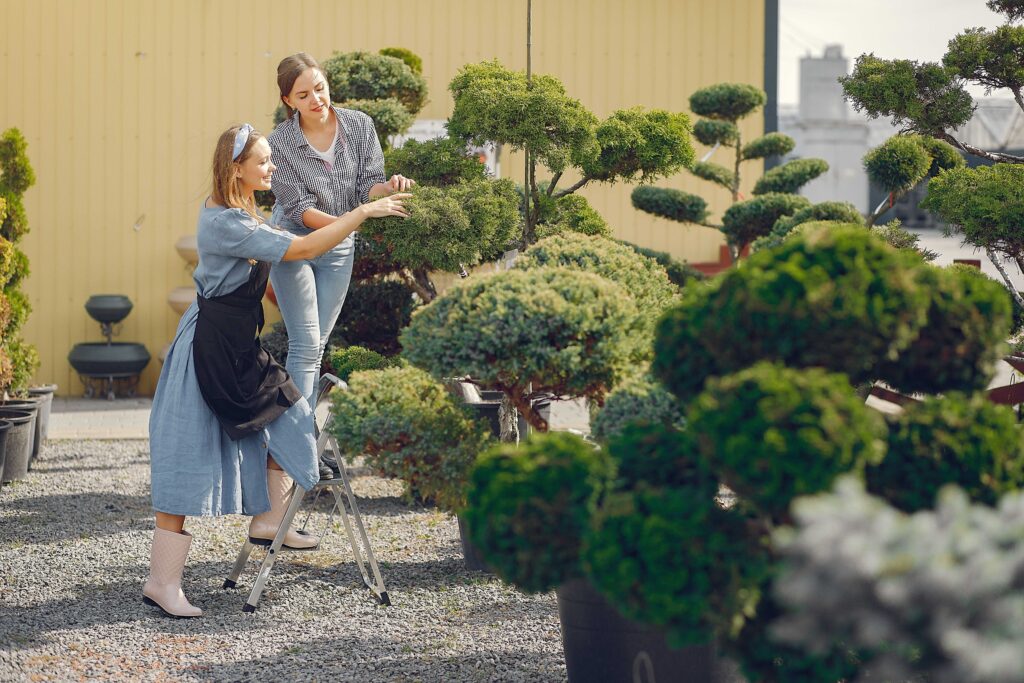
A beautiful garden can transform an ordinary outdoor area into a peaceful, welcoming, and functional space. Whether you have a small backyard, a spacious lawn, a balcony garden, or a traditional front yard, the right planning and maintenance techniques can help you create an attractive outdoor environment. However, a successful garden requires more than planting flowers. You must also consider sunlight, soil quality, watering, garden furniture, pathways, seasonal changes, and the overall design of your home.
Decoradhouse garden tips by DecoratorAdvice can serve as a starting point for exploring practical garden design ideas, outdoor decoration, and home improvement inspiration. By combining thoughtful planning with simple maintenance habits, homeowners can create outdoor spaces that look attractive without requiring unnecessary expenses or complicated routines.
This complete guide explains how to plan a garden, select suitable plants, improve outdoor decoration, maintain healthy soil, and upgrade your yard. It also explores how garden design connects with broader home improvement and smart home ideas.
1. Start with a Clear Garden Plan
Before purchasing plants or outdoor furniture, examine your available space. A clear plan helps you make better decisions and prevents you from spending money on items that do not suit your garden.
Start by measuring the garden and identifying its main features. Observe where sunlight falls during the day, locate existing trees, and check areas where water collects after rainfall. These details will help you decide where to place plants, seating areas, and decorative elements.
Next, divide the space into practical zones. For example, you might create a flower bed near the entrance, a seating area beside the house, and a small vegetable garden in a sunny corner.
A simple garden plan should include:
-
Planting areas for flowers, shrubs, and vegetables.
-
A comfortable seating area for relaxation.
-
Paths that provide convenient access.
-
Storage space for gardening tools.
-
Lighting for safe movement after sunset.
-
Drainage arrangements that prevent standing water.
The most effective design balances appearance with everyday use. A garden should look attractive, but it should also be easy to maintain and comfortable for the people who use it.
2. Choose Plants That Suit Your Climate
Plant selection plays a major role in garden success. A plant that thrives in one region may struggle in another because of differences in temperature, humidity, rainfall, and soil conditions.
Before buying plants, research which varieties grow well in your local climate. Native plants and other climate-adapted varieties often require less intervention once established. They may also provide useful food or shelter for local pollinators and wildlife.
Consider three important factors when selecting plants.
Sunlight requirements
Some plants need full sunlight, while others prefer partial shade. Observe your garden throughout the day before deciding where to plant each variety.
Place sun-loving flowers and vegetables in bright locations. Use shade-tolerant plants beneath trees or near walls where direct sunlight is limited.
Water requirements
Group plants with similar watering needs together. This approach makes irrigation easier and reduces the risk of overwatering or underwatering individual plants.
Drought-tolerant plants can be useful in areas where water conservation matters. However, even drought-tolerant varieties need appropriate watering while their roots become established.
Available space
Check the mature height and width of every plant before purchasing it. Small plants can eventually become large shrubs or trees, so provide enough room for healthy growth.
These practical principles complement decoration tips decoradhouse from decoratoradvice, helping homeowners coordinate plant choices with the overall appearance of their outdoor spaces.
3. Improve Soil Quality Before Planting
Healthy soil supports strong roots, better growth, and more resilient plants. Even attractive plants may struggle when the soil lacks suitable structure, nutrients, or drainage.
Begin by examining the soil. Sandy soil usually drains quickly, while clay soil may retain water for longer periods. Soil that contains a balanced mixture of mineral particles and organic matter often provides favorable conditions for many garden plants.
Adding mature compost can improve soil structure and support beneficial soil organisms. However, the correct approach depends on the plants you intend to grow and the condition of the existing soil.
Consider these soil improvement practices:
-
Add mature compost when appropriate.
-
Remove persistent weeds before planting.
-
Test soil pH if plants show unexplained growth problems.
-
Improve drainage where water regularly collects.
-
Avoid walking repeatedly over planting beds because compacted soil restricts root growth.
Do not apply fertilizer automatically whenever plants appear unhealthy. Poor drainage, unsuitable sunlight, pests, and watering problems can produce similar symptoms. Identify the likely cause before applying additional nutrients.
4. Design Attractive Flower Beds
Flower beds introduce color, texture, and visual interest into a garden. A thoughtful arrangement can make even a small outdoor area feel organized and inviting.
Start with a simple color palette. You might combine white flowers with green foliage for a calm appearance or use yellow, purple, and pink flowers for a brighter design.
Next, arrange plants according to their height. Place taller plants toward the back of a bed viewed from one direction, or in the center of an island bed that people can see from every side. Medium-height plants can fill the middle, while lower-growing varieties create a neat border.
Consider bloom times as well. By selecting plants that flower during different seasons, you can maintain visual interest for longer periods.
For a balanced result, combine:
-
Flowering plants for seasonal color.
-
Evergreen shrubs for structure.
-
Ornamental grasses for movement and texture.
-
Ground-cover plants for suitable bare areas.
-
Mulch to protect soil and create a finished appearance.
Avoid overcrowding plants simply to achieve an immediate, full look. Give each variety enough room to mature and allow air to circulate between plants.
5. Make a Small Garden Feel Bigger
Limited outdoor space does not prevent you from creating an attractive garden. The key is to use the available area carefully.
Vertical gardening is particularly useful for small patios, balconies, and narrow yards. Wall-mounted planters, trellises, and suitable climbing plants can add greenery without taking up much floor space.
Containers also provide flexibility. You can move pots to improve sunlight exposure or rearrange them when your needs change.
To improve the appearance of a small garden:
-
Choose furniture that fits the available space.
-
Keep pathways clear and easy to navigate.
-
Use a limited number of complementary materials.
-
Place taller plants toward the edges when appropriate.
-
Add mirrors only where they are safe for outdoor use and will not create glare or concentrated sunlight hazards.
-
Use vertical planters where walls can support their weight.
A compact garden benefits from a clear focal point. A distinctive planter, small water feature, attractive tree, or comfortable chair can give the space character without creating clutter.
6. Upgrade Your Garden with Functional Decoration
Garden decoration should improve both the appearance and usability of an outdoor space. Instead of filling the yard with numerous accessories, select a few items that support your intended lifestyle.
For example, a family garden might benefit from durable seating, an open lawn, and a shaded dining area. A relaxation garden might include a bench, fragrant plants, and soft outdoor lighting.
Consider these practical decoration options:
Outdoor furniture
Choose furniture made from materials suitable for your climate. Weather-resistant metal, treated wood, and outdoor-rated synthetic materials can work well when properly maintained.
Before purchasing anything, measure the seating area and leave enough room for people to walk comfortably around the furniture.
Decorative planters
Pots can introduce color and help organize different planting areas. Ensure that containers have suitable drainage and enough room for roots.
Garden pathways
Stone, gravel, pavers, and other suitable materials can create clear routes between different parts of the garden. Select a surface that provides stable footing and suits local weather conditions.
Outdoor textiles
Weather-resistant cushions and rugs can make seating areas more inviting. Store removable fabrics when rain or severe weather could damage them.
These improvements connect with broader decoradhouse renovation tips from decoratoradvice, particularly when homeowners want the garden to feel like a natural extension of their interior living space.
7. Create a Comfortable Outdoor Seating Area
A seating area encourages people to spend more time outside. Even a small patio can become a useful place for morning coffee, family conversations, reading, or evening relaxation.
First, choose a location that offers a comfortable balance of sunlight and shade. A position near the house may provide convenient access to the kitchen, while a secluded corner can create a quieter atmosphere.
Next, consider the furniture layout. Arrange chairs so that people can communicate comfortably, and avoid blocking the main walking route.
Shade is especially important in hot climates. A suitable pergola, shade sail, or outdoor umbrella can make the seating area more comfortable. Secure these structures properly and follow the manufacturer’s guidance for wind conditions.
Lighting can improve the atmosphere after sunset. Use outdoor-rated fixtures and keep electrical connections protected from moisture.
If the garden is exposed to neighboring properties, consider appropriate screening plants or privacy panels. Make sure that screens do not block essential sunlight or create unnecessary maintenance problems.
8. Water Your Garden Efficiently
Watering is essential for plant health, but more water does not necessarily produce better growth. Excessive watering can deprive roots of oxygen, encourage root diseases, and waste a valuable resource.
The correct watering schedule depends on the plant species, soil, weather, container size, and stage of growth.
Check soil moisture before watering. If the upper soil feels dry, investigate whether the plant needs water rather than following a rigid schedule. Newly planted specimens generally require closer attention than established plants.
Whenever practical, water the root zone instead of spraying the entire plant. Watering early in the morning can reduce evaporation and give foliage time to dry.
Additional water-saving techniques include:
-
Applying suitable organic mulch.
-
Using drip irrigation or soaker hoses.
-
Collecting rainwater where permitted and safe.
-
Repairing leaking hoses and irrigation fittings.
-
Selecting plants adapted to local rainfall.
-
Adjusting irrigation after rain.
Container plants may dry out faster than plants growing in the ground. Check pots regularly, especially during hot or windy weather.
9. Use Mulch to Protect Garden Beds
Mulch is a practical addition to many gardens because it helps conserve soil moisture, moderate soil temperature, and suppress some weeds.
Organic mulches include shredded leaves, bark, and suitable composted materials. Inorganic options include gravel and decorative stone.
Choose mulch according to the plants, climate, and appearance you want. Organic materials gradually decompose and can contribute organic matter to the soil. Stone mulch lasts longer but may increase heat around plants in sunny locations.
Spread mulch evenly across the soil surface while keeping it away from plant stems and tree trunks. Piling mulch directly against trunks can contribute to moisture-related problems and damage.
Refresh organic mulch when necessary, but avoid repeatedly adding thick layers without checking the existing material.
10. Add Garden Lighting for Safety and Atmosphere
Outdoor lighting can make a garden more useful after sunset while highlighting attractive design features.
Start with practical lighting along entrances, steps, and main pathways. Ensure that these areas are bright enough for safe movement without producing excessive glare.
You can then introduce decorative lighting around seating areas, pergolas, and selected trees.
Solar lights may work well in locations that receive sufficient sunlight. However, their performance depends on weather, panel placement, battery condition, and product quality.
For wired lighting, use equipment specifically rated for outdoor conditions and have electrical installations completed by a qualified professional when required.
Avoid placing bright lights where they disturb neighboring homes or affect nocturnal wildlife. A thoughtful lighting plan should provide enough visibility without illuminating every part of the garden.
11. Maintain Your Garden Throughout the Year
Regular maintenance helps preserve the garden’s appearance and prevents minor issues from becoming expensive problems.
Rather than completing every task at once, divide maintenance into manageable routines.
Weekly tasks
-
Check plants for signs of pests or disease.
-
Inspect soil moisture and water when needed.
-
Remove small weeds before they spread.
-
Collect fallen leaves from areas where they create hazards.
-
Check containers and irrigation equipment.
Monthly tasks
-
Inspect garden furniture and outdoor fixtures.
-
Trim plants where appropriate for their species.
-
Remove dead or damaged growth when suitable.
-
Check pathways for loose or uneven surfaces.
-
Review mulch levels and replenish when needed.
Seasonal tasks
Adapt planting, pruning, and protection to local weather. Some plants need pruning after flowering, while others require pruning during dormancy. Avoid treating every plant in the same way.
Before winter or a period of extreme heat, identify which plants need additional protection and which outdoor items should be stored or secured.
A consistent routine is usually more manageable than allowing maintenance to accumulate for several months.
12. Create a More Sustainable Garden
Sustainable gardening can reduce waste, conserve resources, and create a healthier environment for beneficial insects and other wildlife.
Start by selecting plants that suit your local conditions. Native plants can support local pollinators, although their value depends on the species and the surrounding ecosystem.
You can also reduce waste by composting suitable plant material and using fallen leaves where appropriate. Avoid composting diseased plants or invasive weeds unless your composting system can safely handle them.
Other useful practices include:
-
Reducing unnecessary pesticide use.
-
Using targeted pest-management methods.
-
Planting flowers that provide nectar and pollen.
-
Providing clean water for wildlife when practical.
-
Preventing fertilizer and pesticide runoff.
-
Using rainwater collection systems where suitable.
Choose pest-control methods carefully, especially if children or pets use the garden. Follow product labels and local regulations, and avoid assuming that a product is harmless simply because it is described as natural.
13. Upgrade Your Yard on a Budget
You do not need a large budget to improve your outdoor space. Small, well-planned changes can create a noticeable difference.
Begin by identifying the areas that need the most attention. Repairing an uneven pathway, removing clutter, improving a flower bed, or repainting suitable outdoor furniture may provide more value than purchasing expensive decorations.
Set a spending limit before starting a project. Then prioritize changes that improve safety, usability, and plant health.
Budget-friendly ideas include:
-
Propagating suitable plants from existing healthy specimens.
-
Reusing containers that have proper drainage.
-
Making a simple seating area with durable existing furniture.
-
Adding compost and mulch where appropriate.
-
Growing herbs in accessible containers.
-
Using solar lights in sunny locations.
-
Improving the garden gradually instead of redesigning everything at once.
Research materials before purchasing them, and compare their expected lifespan rather than considering only the initial price.
For more extensive projects, decoradhouse upgrade tips by decoratoradvice can be considered alongside practical budgeting principles, provided the recommendations suit your actual space and requirements.
14. Connect Indoor and Outdoor Design
A coordinated home and garden can make a property feel more cohesive. You do not need to copy the interior design exactly; instead, repeat a few colors, textures, or materials.
For example, a home with natural wood finishes might use wooden planters or a timber seating feature outdoors. A modern interior might pair well with simple paving, clean lines, and restrained planting.
Consider the view from inside the house. A well-positioned tree, flower bed, or attractive container can improve the view from a kitchen or living-room window.
Sliding doors and patios can help connect indoor and outdoor living areas when the building layout allows it. Ensure that outdoor furniture does not obstruct access and that surfaces remain safe in wet weather.
This approach brings together gardening and wider decoration ideas while allowing each space to serve its own purpose.
15. Explore Smart Technology for Garden Care
Technology can simplify some garden tasks, particularly when you have a large yard or a busy schedule.
Smart irrigation controllers can adjust watering schedules according to programmed settings and, in some cases, weather information. Soil-moisture sensors can help you decide when irrigation is necessary.
Outdoor-rated smart lights may allow you to set schedules or control lighting remotely. However, check their weather resistance, network compatibility, and installation requirements before purchasing them.
Robotic lawn mowers may suit certain lawns, but they require appropriate terrain, maintenance, and safety precautions.
These technologies relate to broader decoradtech smart home ideas by decoratoradvice and decoradtech home devices from decoratoradvice. The most useful technology is the kind that solves a specific problem rather than adding unnecessary complexity.
Start with one improvement, evaluate its practical benefits, and expand only when it makes sense for your garden.
16. Avoid Common Garden Design Mistakes
Even a carefully planned garden can become difficult to maintain when basic design principles are overlooked.
One common mistake is choosing plants only because they look attractive in a shop. Always check their mature size, growing requirements, and suitability for your climate.
Another problem is overcrowding. Plants need sufficient space, sunlight, airflow, and access to water. Crowded planting can increase competition and make maintenance more difficult.
Poor drainage is another concern. Water that remains around roots can damage plants and create muddy or slippery areas.
Homeowners should also avoid excessive decoration. Too many pots, ornaments, colors, and furniture pieces can make an outdoor area feel cluttered.
Finally, do not underestimate maintenance requirements. A complicated design may look impressive initially but become difficult to manage if you have limited time.
The best garden is not necessarily the largest or most expensive. It is one that suits your needs and remains attractive through consistent care.
17. Plan Garden Renovations Carefully
Some outdoor projects require more planning than routine planting or decoration. Building a deck, installing a retaining wall, changing drainage, or adding a permanent outdoor structure can involve safety, legal, and financial considerations.
Before starting, establish the project’s purpose and set a realistic budget. Obtain measurements, compare suitable materials, and investigate any local permissions that may apply.
For significant construction work, consult qualified professionals. Incorrect drainage, unstable walls, and poorly installed electrical systems can create expensive hazards.
A renovation plan should also consider future maintenance. For instance, a low-maintenance paving surface may be more suitable than a large lawn if you have limited time for mowing.
This is where decoradhouse renovation tips from decoratoradvice can fit into a broader home improvement process: inspiration is useful, but decisions should be based on the property’s actual conditions and professional advice where necessary.
18. How to Find Reliable Home and Garden Resources
Online home improvement websites can provide inspiration, project ideas, and practical explanations. However, readers should evaluate advice before following it.
Look for clear instructions, realistic recommendations, and explanations of when a project requires professional assistance. Gardening information should identify relevant climate conditions, plant requirements, and maintenance needs.
If you are researching DecoratorAdvice, related search terms include decoratoradvice.com, decoratoradvice com, and decoratoradvice.com home. These phrases may help you locate relevant pages, but a keyword alone does not verify a website’s ownership, quality, services, or current content.
Readers interested in site information may also search for decoratoradvice.com about us, about decoratoradvice.com, about us decoratoradvice.com, or decoratoradvice.com about.
If the website provides an official company profile, use that page to understand its stated purpose and background. Likewise, look for a genuine partners decoratoradvice.com page if you need information about partnerships. Do not assume that a partnership exists unless the website or another reliable source confirms it.
For questions about services, submissions, or business enquiries, search for contact us decoratoradvice, decoratoradvice contact us, or latest decoratoradvice.com as appropriate. Verify any contact information through the actual website rather than relying on a keyword phrase or an unverified third-party page.
19. Additional Yard and Decoration Ideas
Different outdoor areas require different approaches. A front yard usually benefits from clear access, attractive planting, and a tidy entrance. A backyard may offer more privacy and space for relaxation or family activities.
The term decadgarden yard tips by decoratoradvice can be used as a related search phrase when exploring yard design ideas. Similarly, decoradyard garden tips by decoratoradvice and from decoratoradvice decoration ideas decoradyard may help organize related content about outdoor decoration.
When applying ideas from any source, adapt them to your property rather than copying a design without considering local conditions.
For example, a garden with heavy rainfall may need better drainage and moisture-tolerant plants. A dry, sunny yard may benefit from shade structures, suitable drought-tolerant varieties, and efficient irrigation.
A practical outdoor design should respond to the climate, available space, maintenance budget, and needs of the people who use it.
20. A Simple Action Plan for Your Garden
If you are unsure where to begin, follow this step-by-step plan.
Week 1: Assess the space
Measure the garden, observe sunlight, identify drainage issues, and list the improvements you want to make.
Week 2: Prepare the basics
Remove unnecessary clutter, address manageable soil problems, clear pathways, and plan planting areas.
Week 3: Add plants and decoration
Choose suitable plants, arrange flower beds, introduce containers, and create a simple seating area if space allows.
Week 4: Improve maintenance
Set up an appropriate watering routine, add suitable mulch, inspect garden lighting, and establish a regular maintenance schedule.
After the first month, review what is working and make adjustments. Plants need time to establish themselves, so avoid making major changes simply because the garden does not look fully developed immediately.
Conclusion
A beautiful garden develops through thoughtful planning, suitable plant choices, practical decoration, and consistent maintenance. You can create a welcoming outdoor environment without spending a fortune or taking on complicated projects.
The ideas covered in this guide provide a foundation for improving soil, arranging flower beds, saving water, selecting furniture, adding lighting, and making better use of small spaces. They also demonstrate how gardening can complement wider home renovation and smart home improvements.
Use decoradhouse garden tips by decoratoradvice as your main topic for exploring garden design and outdoor improvement ideas, while evaluating individual recommendations according to your climate, budget, and needs.
Start with a few achievable improvements, observe how your garden responds, and expand gradually. With patience and a consistent approach, your outdoor space can become more attractive, functional, and enjoyable throughout the year.
Frequently Asked Questions
1. What are the best tips for creating a beautiful garden?
Start by understanding your available space, sunlight, soil, and climate. Choose suitable plants, create clear pathways, group plants with similar water needs, and add a few practical decorative features.
2. How can I improve my garden on a small budget?
Reuse suitable containers, propagate appropriate plants, improve soil with compost when needed, add mulch, and prioritize repairs before purchasing decorations. Complete projects gradually to manage costs.
3. How often should I water my garden?
Watering frequency depends on the plant species, soil, weather, and growing conditions. Check soil moisture regularly and water when needed rather than following the same schedule throughout the year.
4. What plants are suitable for a low-maintenance garden?
Choose plants that are well adapted to your local climate and soil. Native plants and suitable drought-tolerant varieties may reduce maintenance once established, although all plants need appropriate care.
5. How can I make a small garden look attractive?
Use vertical planters, appropriately sized furniture, clear pathways, coordinated colors, and a simple focal point. Avoid overcrowding the space with too many plants or accessories.
6. How can technology help with garden maintenance?
Smart irrigation controllers, moisture sensors, outdoor lighting controls, and suitable robotic lawn mowers can simplify specific tasks. Select equipment based on your garden’s needs, safety requirements, and budget.
7. What should I consider before renovating my garden?
Evaluate the layout, drainage, materials, costs, and future maintenance. For major structures, electrical work, or drainage changes, consult qualified professionals and check local requirements.
8. How do I find trustworthy garden advice online?
Look for detailed explanations, realistic recommendations, climate-appropriate guidance, and clear safety information. Verify claims about a website’s services, ownership, or partnerships through reliable sources.