
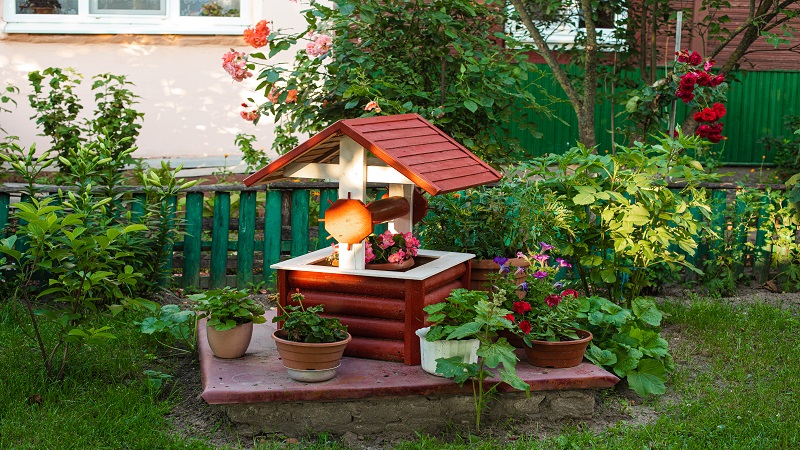
Creating a beautiful garden is no longer limited to planting flowers and hoping for the best. Today, homeowners want outdoor spaces that reflect personal style, encourage relaxation, and support sustainable living. With the right planning and thoughtful design, even a small yard can feel luxurious and purposeful. This is where expert-backed strategies make all the difference.
This comprehensive guide explores how modern garden planning blends beauty with functionality. Drawing inspiration from proven outdoor design principles, this article walks you through layout planning, plant selection, furniture choices, lighting, and long-term maintenance. By following these structured steps, you can transform any outdoor area into a welcoming retreat that enhances your lifestyle and adds value to your home.
Understanding the Philosophy Behind Smart Garden Design
A successful garden always starts with intention. Instead of randomly placing plants or decor, smart garden design focuses on how people actually use outdoor spaces. Whether you entertain guests, enjoy quiet evenings, or want a play-friendly yard, your garden should support those goals.
This design philosophy emphasizes balance. It blends aesthetics with usability, ensuring your garden looks inviting while remaining easy to maintain. Moreover, it prioritizes sustainability, helping homeowners reduce water usage, lower upkeep costs, and support plant longevity.
By adopting structured garden planning methods, homeowners gain better control over space, flow, and long-term results.
Strategic Zoning: Creating Purposeful Outdoor Areas
One of the most effective ways to improve garden functionality is strategic zoning. This approach divides your garden into defined areas based on activities.
Active Zones for Social Living
Active zones serve as gathering areas. These spaces work best near entrances or patios and often include seating, dining tables, or BBQ setups. Because people move frequently in these areas, designers use durable materials such as stone flooring or wooden decks.
Passive Zones for Relaxation
In contrast, passive zones promote calm and privacy. These areas often include garden benches, hammocks, or water features. Placing them farther from high-traffic areas improves tranquility and visual appeal.
Why Zoning Matters
Strategic zoning keeps the garden organized. It also prevents overcrowding and helps each area serve a clear purpose. As a result, your outdoor space feels larger, cleaner, and more intentional.
Smart Layout Solutions for Small Gardens
Limited space should never limit creativity. With the right techniques, small gardens can look expansive and dynamic.
Vertical Gardening for Space Efficiency
Vertical gardens maximize unused wall space. By installing wall-mounted planters, trellises, or hanging baskets, you introduce greenery without sacrificing floor space. This approach works especially well in urban homes and compact yards.
Raised Planters for Visual Structure
Raised planters add depth and dimension. They also improve soil drainage and reduce bending during maintenance. Designers often use them to frame walkways or separate zones naturally.
Clear Pathways Improve Flow
Defined pathways guide movement while visually organizing the space. Stone slabs, gravel paths, or wooden walkways make small gardens feel intentional and well-planned.
Together, these layout techniques transform limited outdoor areas into stylish and functional environments.
Visual Harmony: Designing a Garden That Feels Complete
Visual harmony connects all elements into a cohesive design. Without it, even expensive decor can feel cluttered or disorganized.
Consistent Materials and Colors
Using consistent materials helps maintain unity. For example, matching stone textures across pathways and planters instantly improves visual flow. Similarly, repeating colors in pots, cushions, and flowers ties the entire space together.
Natural Transitions
Smooth transitions between garden zones reduce visual stress. Gradual changes in elevation or material keep the garden feeling calm and balanced.
Because harmony influences how people emotionally respond to a space, it plays a crucial role in long-term satisfaction.
Creating Focal Points That Elevate Garden Appeal
Every well-designed garden needs focal points. These features draw attention and create visual interest.
Decorative Anchors
Swings, statement pots, sculptures, or water features serve as anchors. When placed strategically, they guide the eye and establish design hierarchy.
Avoid Overcrowding
While focal points enhance beauty, too many can overwhelm the space. Therefore, designers recommend limiting major features to one or two per zone.
A strong focal point instantly uplifts the mood and gives your garden a signature identity.
Plant Selection That Supports Longevity and Style
Plants form the backbone of any garden. Choosing the right ones ensures visual appeal and reduces maintenance challenges.
Climate-Appropriate Choices
Selecting plants that match your local climate improves survival rates. Native and climate-adapted plants require less water and resist pests more effectively.
This principle lies at the heart of Decoradhouse garden tips by decoratoradvice, which emphasizes long-term success over short-term aesthetics.
Mixing Perennials and Seasonal Plants
Perennials provide structure throughout the year. Seasonal plants, on the other hand, add bursts of color and freshness. Combining both creates a dynamic garden that evolves with the seasons.
Small-Space Planting Solutions
In compact gardens, smaller plants and potted herbs offer flexibility. You can rearrange them easily while maintaining control over growth patterns.
Sustainable Maintenance Practices for Healthy Gardens
A beautiful garden should not require constant effort. Sustainable maintenance techniques make upkeep easier and more affordable.
Mulching for Moisture Control
Mulch conserves soil moisture and prevents weed growth. Organic mulch also improves soil quality over time.
Organic Soil Treatments
Natural compost and organic fertilizers enhance plant health without harming the environment. These treatments support beneficial microorganisms and improve root strength.
By following these methods, homeowners align with decoradhouse garden tips by decoratoradvice while promoting eco-friendly gardening habits.
Outdoor Furniture That Balances Comfort and Function
Furniture selection significantly impacts how people use outdoor spaces.
Flexible Seating Options
Folding chairs and lightweight benches allow easy rearrangement. This flexibility works especially well in small yards where space changes based on activity.
Weather-Resistant Materials
Outdoor furniture should withstand weather conditions. Materials like treated wood, metal, and synthetic wicker provide durability without sacrificing style.
Choosing practical furniture keeps your garden usable throughout the year.
Lighting Techniques That Transform Gardens at Night
Lighting extends garden usability beyond daylight hours. It also enhances safety and atmosphere.
Layered Lighting Approach
Combining ambient, task, and accent lighting creates depth. Soft lights around seating areas encourage relaxation, while brighter lights near pathways improve visibility.
Solar-Powered Solutions
Solar lights reduce electricity costs and simplify installation. They also align with sustainable living goals.
Effective lighting turns ordinary gardens into magical nighttime retreats.
Extending Indoor Style to Outdoor Spaces
Modern garden design treats outdoor areas as extensions of the home.
Decorative Accessories
Outdoor rugs, wall art, and colorful planters help unify indoor and outdoor aesthetics. These elements introduce personality and warmth.
Rooftop and Veranda Styling
In homes with limited ground space, rooftops and verandas offer valuable opportunities. Adding plants, seating, and decor creates cozy open-air lounges.
These styling techniques strengthen the connection between indoor comfort and outdoor freedom.
Why These Garden Strategies Work So Well
The success of these methods lies in their adaptability. They suit large backyards and compact spaces equally. More importantly, they prioritize function, sustainability, and visual balance.
By following decoradhouse garden tips by decoratoradvice, homeowners avoid common mistakes such as overcrowding, poor plant selection, and inefficient layouts.
These strategies also encourage mindful design decisions, ensuring gardens remain enjoyable year after year.
Long-Term Benefits of Thoughtful Garden Planning
Investing time in garden design delivers lasting rewards.
-
Improved property value
-
Reduced maintenance costs
-
Enhanced mental well-being
-
Better use of outdoor space
A thoughtfully designed garden becomes more than decoration. It transforms into a lifestyle asset.
Final Thoughts: Designing a Garden That Truly Belongs to You
A garden should reflect your personality, support your daily habits, and adapt to changing needs. With structured planning, smart plant choices, and cohesive decor, any outdoor space can become a personal sanctuary.
By applying proven principles and sustainable techniques, you create a garden that thrives naturally. Whether you work with a small yard or a spacious landscape, the right approach ensures beauty, comfort, and long-term satisfaction.
If you want guidance rooted in practical experience and modern design thinking, Decoradhouse Garden Tips by decoratoradvice provides a reliable roadmap to outdoor success.